
English| EUR
Suggested for you
More currencies
Choose a language
Holbox sits 25 miles north of the Yucatán mainland, reachable only by ferry and defined by sand streets where golf carts replace cars. Whether you spend $40 or $150 per day depends less on the island's pricing than on your choices around lodging, meals, and activities. This guide breaks down real costs so you can plan accordingly.
Quick answer
Is Holbox expensive compared to mainland Mexico? Yes, but manageable. Mid-range travelers typically spend $50–90 USD per person daily, covering lodging ($30–60), meals ($15–25), and golf cart rental or bike use. Budget backpackers can stretch $35–45 per day by choosing hostel dorms, street tacos, and walking. Luxury boutique hotels push daily costs above $150. The island has no admission fee—you pay for the ferry, your stay, and what you consume.
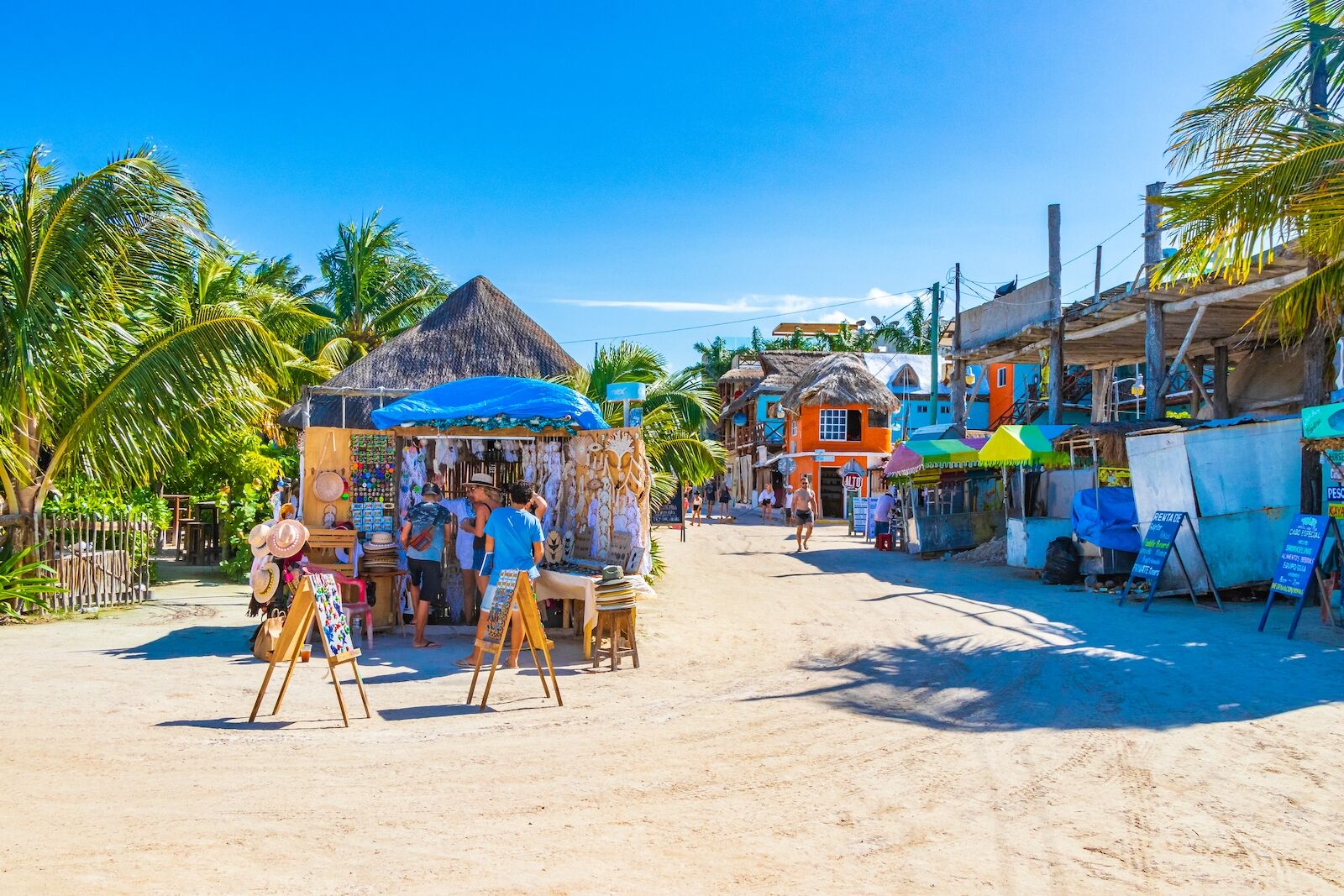
Holbox operates on island economics: every bottle of water, every kilo of fish, every construction material arrives by ferry from Chiquilá. That 25-minute crossing shapes the cost structure of everything sold on the island. Restaurants pay more for produce, hotels pay more for linens, and those costs pass to visitors. Yet Holbox remains cheaper than Tulum or Playa del Carmen because it lacks the resort infrastructure and cruise-ship crowds that inflate prices on the Riviera Maya. Lodging anchors your budget. A basic palapa-roofed room with a fan and shared bath starts around $25–35 USD per night in low season, climbing to $40–50 in peak months. Mid-range hotels with air conditioning, private baths, and WiFi run $60–100. Beachfront boutiques with king beds and plunge pools exceed $150. Most properties quote prices in pesos, and exchange rates fluctuate, so confirm the dollar equivalent when booking. Peak season spans December through March and again in July and August, when rates rise 30–50 percent and advance reservations become essential. Food costs depend on whether you eat like a local or a tourist. A fish taco from a street cart costs 30–40 pesos; three tacos and a agua fresca make a filling lunch for under $4 USD. Beachfront restaurants serving ceviche, grilled octopus, and cocktails charge $12–20 per entrée. Grocery stores stock basics—bread, eggs, bottled water, fruit—but selection is limited and prices run 20–30 percent above mainland rates because of freight costs. Many visitors cook breakfast in their room and eat one daily restaurant meal to balance cost and convenience. Golf cart rentals dominate transportation because the island bans cars. A standard four-seat cart costs $40–60 USD per day, or $200–250 per week. Bicycles rent for $8–12 daily and work well if you stay near the main plaza. Walking is free and feasible for central zones, though sand streets slow your pace and the midday sun demands sunscreen and water. Shared colectivo golf carts run fixed routes for 20–30 pesos per ride, practical for reaching Punta Cocos or the bioluminescence dock without your own wheels.
“Every bottle of water, every kilo of fish, every construction material arrives by ferry from Chiquilá, and that 25-minute crossing shapes the cost structure of everything sold on the island.”
Holbox costs vary significantly depending on your choice of accommodation and dining style. Budget-conscious travelers can manage expenses by prioritizing local eateries and shared lodging options.
How to spend less
Verdict: A daily budget typically ranges from 1,200 MXN for budget travelers to over 4,500 MXN for those seeking comfortable, full-service amenities.
Isla Holbox is located in Quintana Roo, Mexico. Travelers typically reach the island by taking a bus or shuttle to the port of Chiquilá, followed by a ferry crossing.
ADO bus from Cancun or Playa del Carmen to Chiquilá
Drive via Highway 180D to Chiquilá
Ferry (Holbox Express or 9 Hermanos) from Chiquilá port to Holbox
The best arrival window is 06:00–10:00 to avoid mid-day heat and peak ferry arrival times for a more peaceful experience. Please note that the entrance fee is 0 MXN.
Visiting during the shoulder seasons of April to May and October to November offers a balance between favorable weather and more moderate accommodation pricing. These windows avoid the primary spikes in demand seen during winter holidays and summer vacations.
Dry and warm; 24–28°C
Prices for lodging and services reach their highest levels due to consistent tourist volume.
Transition periods; 26–30°C
Accommodation costs frequently decrease as visitor numbers stabilize outside of major holiday periods.
Hot and humid; 28–33°C
Services are widely available at lower rates, though travelers should monitor regional weather forecasts.
—
Arriving between 06:00–10:00 ensures a peaceful experience before daily ferry arrivals increase island activity.
Verdict: The best window for balanced costs and manageable crowds is mid-week during the shoulder months of April or October, with an arrival between 06:00–10:00.
Managing costs on Holbox Island requires strategic planning regarding where you dine and how you navigate the island.
Locate restaurants several blocks away from the main square to find lower prices and more authentic portions. Prices often decrease as you move toward the residential areas of the island.
Purchase bottled water, snacks, and basic supplies at the smaller local markets rather than tourist-focused convenience shops. This prevents paying premium markups for items you consume daily.
Carry sufficient Mexican Pesos for small purchases as card terminals are often unreliable or charge extra fees. Having cash avoids the high withdrawal fees at island ATMs that frequently run out of currency.
Bring a reusable water bottle to refill at accommodation stations to reduce daily expenses. Plastic bottle purchases accumulate quickly given the high temperatures on the island.
Review activity costs online before arriving to avoid impulsive bookings at high-traffic kiosks. Researching options allows you to identify providers that align with your budget before you reach the shore.
Everything you need to know about is holbox expensive
Determining if is holbox expensive depends largely on your travel style and accommodation choices. While the island has become more popular, budget-friendly eateries and hostel options remain available for those who plan ahead. Many visitors find that balancing local street food with occasional excursions keeps daily spending manageable.
There is no island-wide admission fee, so the entrance fee is 0 MXN. You do not need to pay to access the beaches or public areas of the island.
To avoid peak season surcharges and find better value, many travelers visit during the shoulder months. Planning your trip outside of major holidays can help you decide if is holbox expensive compared to other Mexican destinations. Arriving during the mid-week often yields better rates on local services.
Pricing for a kayak tour or other guided activities varies by provider and duration. It is helpful to research local operators online to compare options before you arrive. Many visitors find that booking in advance allows them to better manage their travel budget.
When traveling with children, is holbox expensive factors often involve dining and convenience rather than entry fees. Since public beaches are free, families can enjoy the natural environment without significant daily costs. Bringing essential supplies from the mainland can also help reduce overall expenses.
The most direct way to reach the island is by ferry from Chiquilá. While is holbox expensive perceptions are often tied to transportation logistics, utilizing public ferry services is the standard and most economical approach. We recommend arriving during the optimal window of 06:00–10:00 to avoid the midday heat.